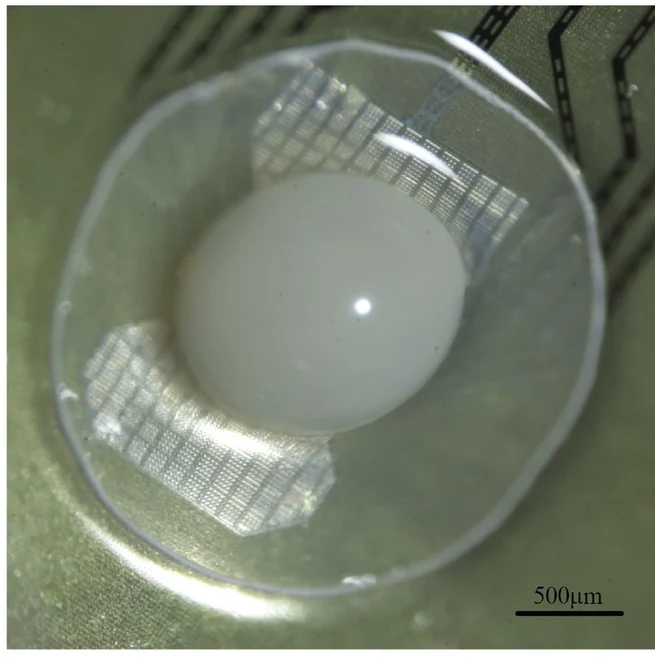
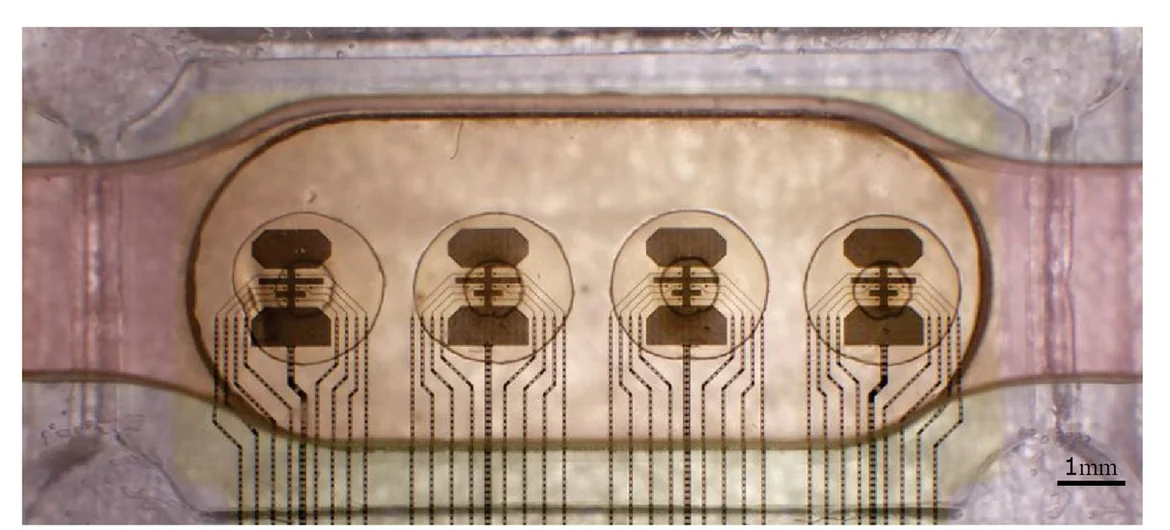
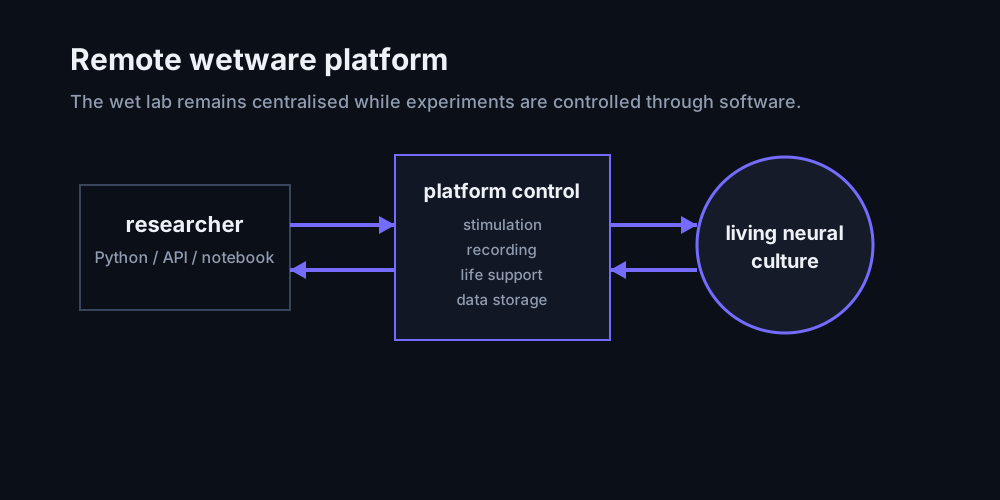
FinalSpark's Neuroplatform combines neural organoids, multielectrode arrays, automated culture support and a software layer that allows external researchers to stimulate and record living networks over the internet.
The 2024 platform paper reports more than 1,000 organoids used over several years, more than 18 terabytes of collected data and organoid lifetimes exceeding 100 days in the best cases. The API supports Python and Jupyter-based experiments, including closed-loop strategies.
Peer-reviewed research-platform description plus current commercial/research access. Individual learning or performance claims still need their own experimental evidence.
- Biological substrate
- Three-dimensional neuronal organoids
- Interface
- MEA stimulation and recording
- Access
- Remote Python/Jupyter environment
- Organisation
- FinalSpark
Current access plans
FinalSpark currently lists Shared access for one user across four shared organoids and Dedicated access for multiple users across four dedicated organoids. Both routes offer 24/7 remote stimulation and recording through the Neuroplatform; current pricing is provided on contact.