System database
Source-labelled records with downloadable data.
Neurons and brain organoids are being coupled to electronics, software and feedback loops. Biocomputers tracks the systems, companies and evidence as the field develops.
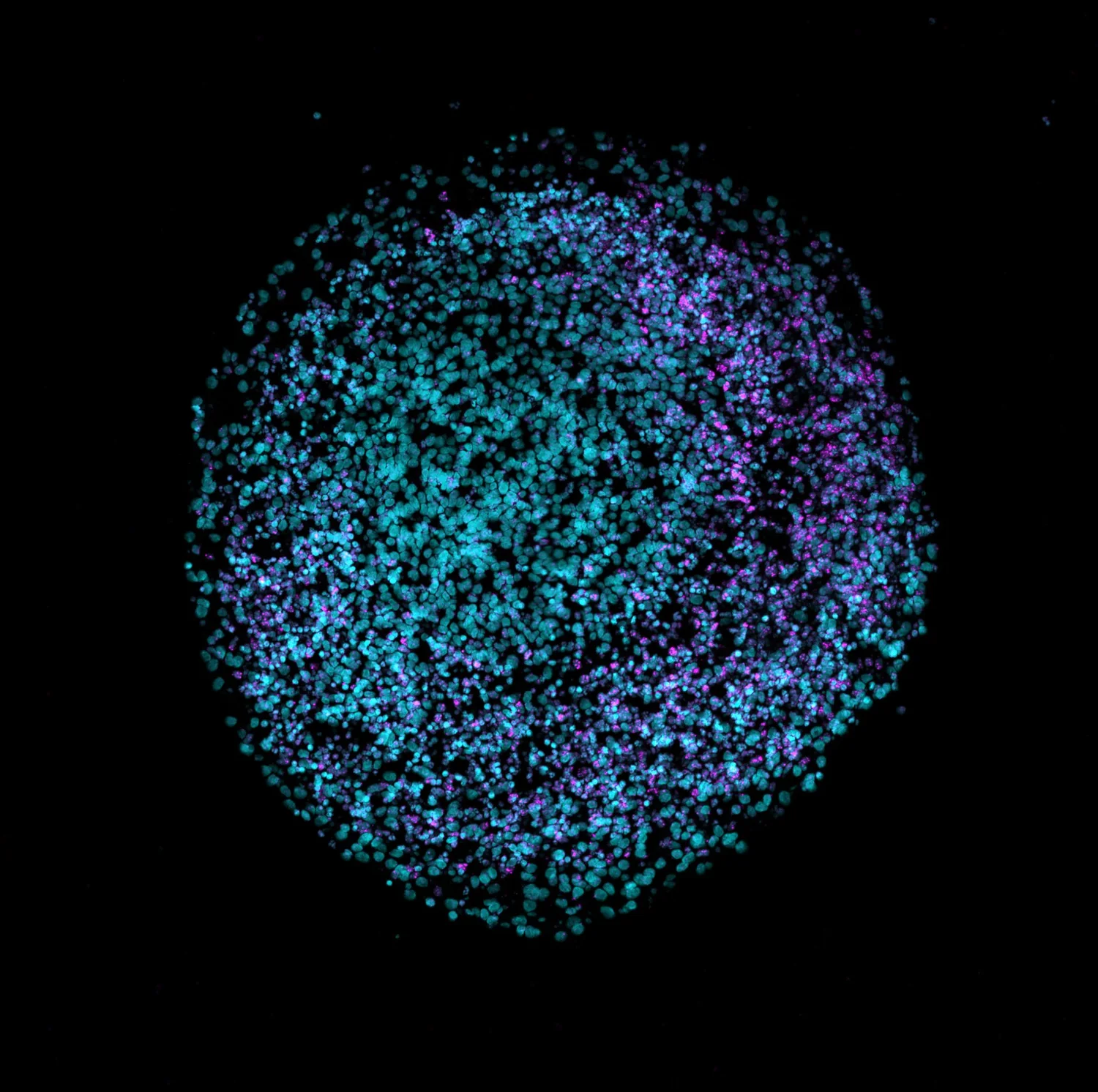
This year has produced peer-reviewed goal-directed organoid learning, tactile organoid classification, supervised temporal-pattern generation, new three-dimensional interfaces and a 20-unit CL1 deployment in Singapore. September added a brain-organoid robotics preprint, a new thermodynamic DNA-computing architecture and a commercial AWS collaboration for TBC’s neuron-derived software.
NUS Medicine, DayOne and Cortical Labs demonstrated a 20-unit CL1 research deployment in Singapore.
A PNAS closed-loop BNN produced periodic and chaotic trajectories.
Feedback-driven adaptation in a Cell Reports cart-pole experiment.
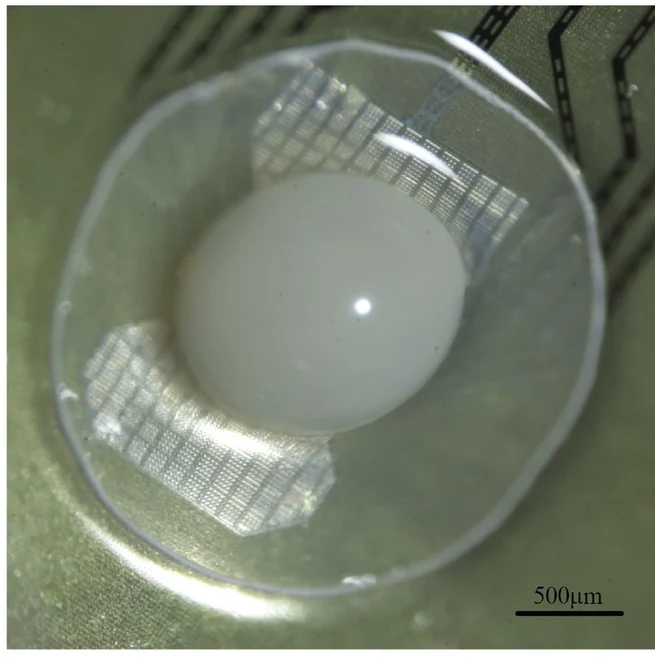
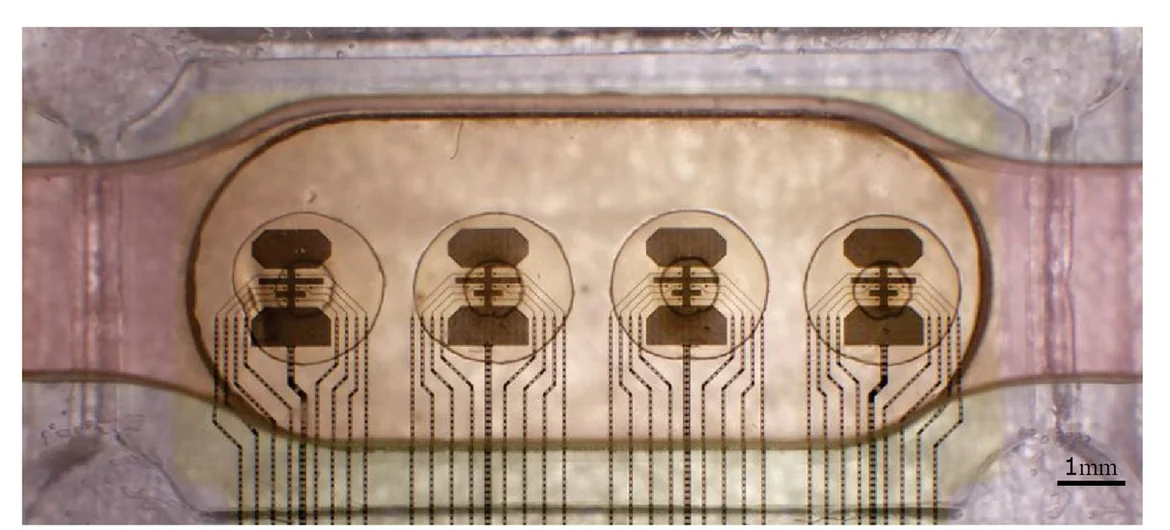
Embedded, multilayer and conformal electrode systems are improving access to neural tissue.
CL1 purchase, Cortical Cloud and FinalSpark remote organoids, with pricing status checked and dated.
The database records substrate, interface, task, access and source quality. The benchmark framework adds the variables that matter when performance claims begin to collide.
Source-labelled records with downloadable data.
Physical and remote routes, pricing status and provider links.
Side-by-side architecture and evidence details.
How electrical access changes across 2D cultures and 3D tissues.
The papers materially changing the field this year.
Substrate, interface, learning route and system role kept distinct.
Where the term fits within the wider biocomputing vocabulary.
Pong, Doom, energy efficiency and consciousness are already shaping how the field is described outside the laboratory. The source record is much more useful than the headline.
The peer-reviewed DishBrain experiment, stripped down to the actual protocol.
A real CL1 demonstration with a different evidence status from a published experiment.
Common statements graded by source type and current evidence.
Direct answers with routes into the technical pages.
Classify systems, design an architecture or test the strength of a claim.
Better interfaces now make it possible to ask more useful questions about reproducibility, retention, biological variability and complete-system cost.
Task performance, learning, stability, energy and biological replication.
How recurrent dynamics and plasticity become computational resources.
I/O, reproducibility, lifetime, memory portability and whole-system energy.
The research groups building platforms, interfaces and experimental methods.